A piazza looks like a simple shape on a map: an open space surrounded by buildings, maybe a fountain in the middle and a church at one end. Spend an hour there and the shape starts to speak. The bench under the plane tree fills at eleven. The bar door swings hardest after Mass. The bakery step collects crumbs, receipts, and gossip before eight. A piazza is not just the space left over between buildings. It is a stage with fixed entrances, worn thresholds, and a seating plan nobody drew. Read it carefully and it will tell you who a town trusts, who it expects to linger, and who is meant to keep moving.
The Geography of Who Sits Where
Seating is the first clue. Fixed benches along a wall say that the town expects people to stay awhile, and usually that it expects a particular kind of people: older residents, parents with small children, workers on a break. A bench in full sun is a short-stay bench. A bench in shade, with a back and a view of the whole square, is a claim on the day. If the benches face one another, the piazza is arranged for conversation. If they face outward, toward the passing show, it is arranged for watching.
Look at what people use when there are no benches. A low church step, a fountain rim, a wide window ledge, a planter wall—these become unofficial seats. Their wear tells you where the piazza is short of places to rest. In some squares the only comfortable ledge is outside the bank, which means the bank’s threshold quietly sets the social hours of the square. In others, the cafe chairs spilling into the open air mark a commercial claim on public space, while the fixed municipal bench marks a civic one. Neither is neutral.
- Benches facing each other invite talk; benches facing the street invite observation.
- Shade and backrests signal long stays; open, sunny edges signal brief ones.
- Worn ledges and steps reveal where official seating has failed.
- Cafe chairs in the square show who can afford to sit, and where.
Shop Fronts as a Social Map
The shop fronts tell you how the day is stitched together. A bakery with its door on the piazza and a queue that forms before seven is a morning institution. The bar next door takes over at ten, then again after lunch. The tobacconist, the newsstand, the small grocery with a step and a bell—each has a different threshold. A level entrance says customers are expected to come in and browse. A service window says the transaction should be quick. A shop that turns its back on the square, with its entrance around the corner, is telling you something too: the piazza is a route, not a destination.
Watch where deliveries stop. A narrow street off the square that always has a van idling is the town’s back door. The shopkeeper who sweeps the pavement in front of the door is claiming a few square metres of public ground as a welcome mat. The one who stacks crates against the wall is managing a lack of space. These small habits reveal which businesses depend on foot traffic, which depend on regulars, and which have quietly become meeting points without ever calling themselves that.
Church Placement and the Quiet Choreography
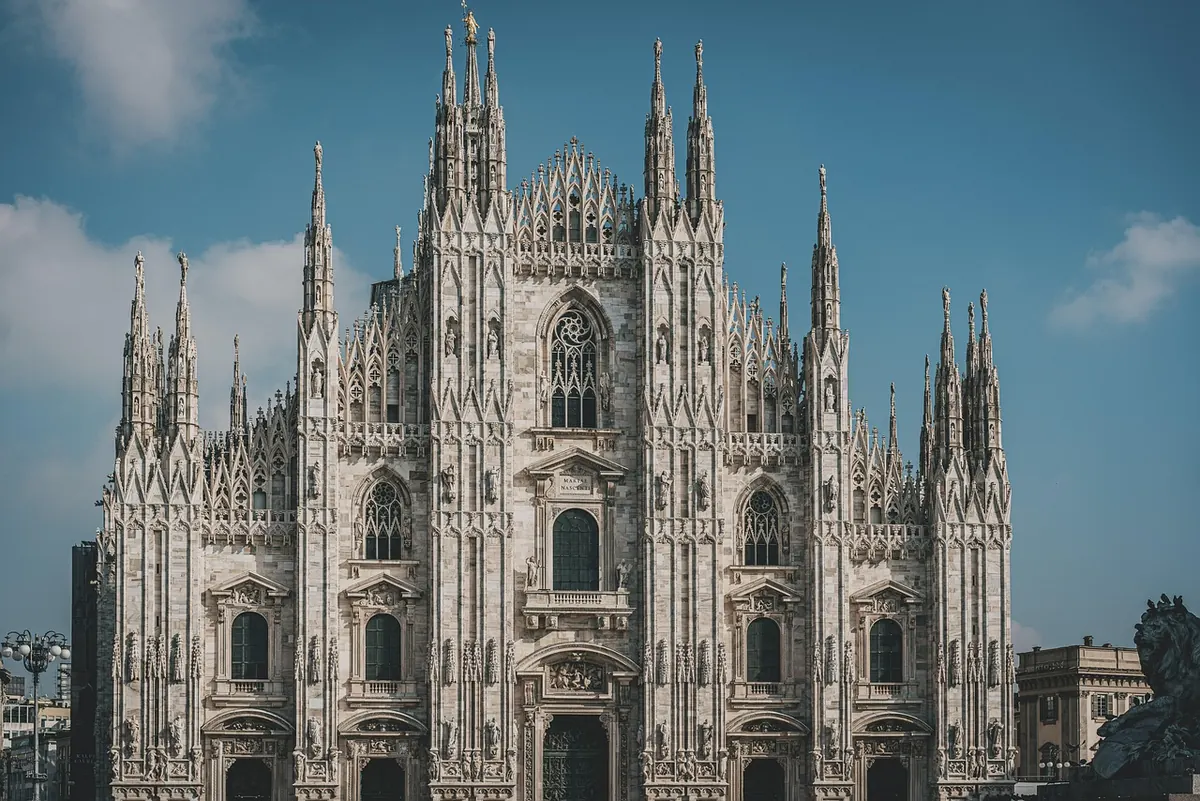
In many Italian piazzas the church is the loudest building but not always the busiest edge. A facade on the main axis gives the square a ceremonial direction. A side entrance gives it a daily one. The main door may open for feast days, weddings, and funerals, while the side door handles the ordinary traffic of morning Mass. If the church steps are wide and shaded, they become seating, a meeting place, a place for children to wait. If they are narrow and exposed, they stay a threshold and nothing more.
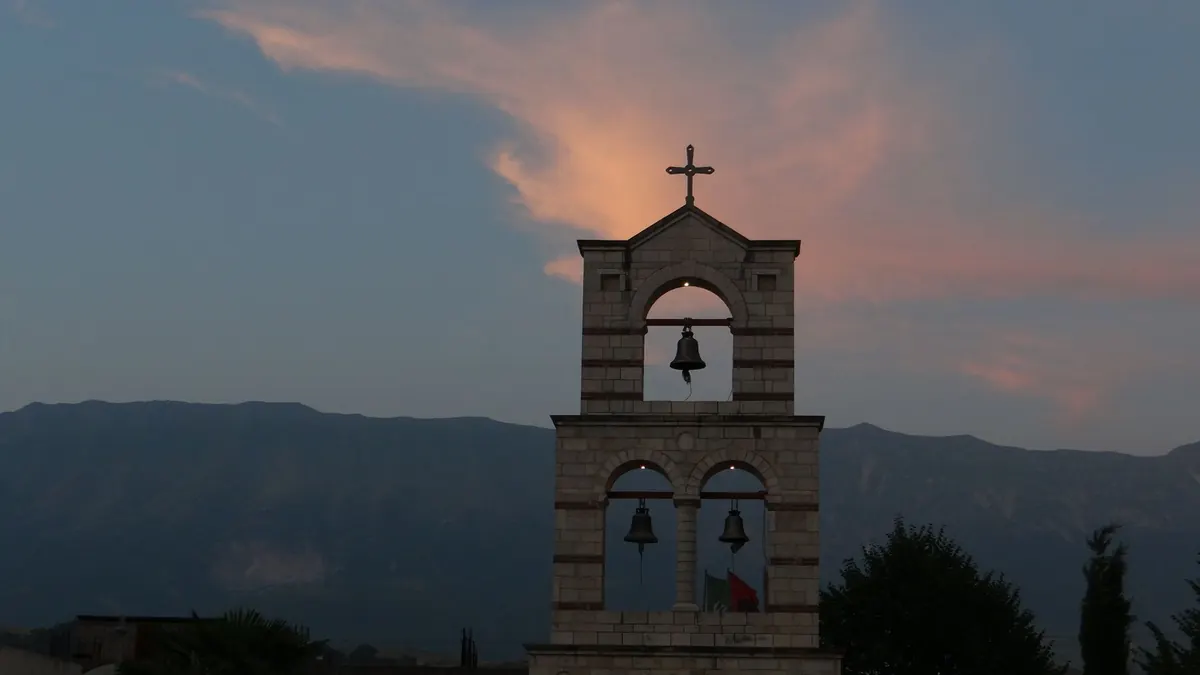
The bell tower adds a timetable. Even where the bells no longer mark every quarter, people still glance up at the tower out of habit. Processions leave from the church and return to it, and the route they take leaves a faint groove in the square’s social memory: which corner is blessed, which street is wide enough for banners, where the crowd slows. The church may dominate the view, but the life of the piazza often happens along its flank, where the shade is better and the door is closer to the bar.
Walking Routes and the Invisible Lanes
Watch feet, not paving. People cut diagonals. They hug the shade. They avoid the middle of an empty square early in the morning and claim it in the evening. The worn line in the grass, the polished strip of stone, the faint tyre marks from delivery carts—these are the piazza’s real roads. A square with exits at all four corners behaves like a roundabout: most people pass through, and only a few stop. A square with one wide entrance and two narrow side streets holds people longer, because leaving takes effort.
Market day changes everything. Stalls compress the walking routes, push the coffee drinkers to the edges, and turn the square into a maze for a few hours. The rest of the week, the same space may be a shortcut for schoolchildren, a waiting room for bus passengers, and a rehearsal space for teenagers on scooters. None of this is written on a plaque.
- Stand at each entrance for five minutes and note who enters, who pauses, and who passes straight through.
- Follow the worn lines: missing grass, polished stone, scuffed corners, delivery marks.
- Mark where people stop to talk. Those pauses are the piazza’s real junctions.
What the Edges Hide
Edges are where a town negotiates access. A single step at a shop door is a small sentence about who is expected to enter. A ramp beside it is a revision. Bollards keep cars out but can catch a stroller wheel. Planters divide space and sometimes divide people. A public fountain that still runs is an invitation; a dry one is a memory. The position of the public toilets, the location of the bin, the one bench with a broken slat—these details show how the square is maintained and who complains when it is not.
The edges also show who is welcome to linger without spending money. A piazza with many free seats and a working fountain is more generous than one where every comfortable spot belongs to a cafe. That generosity is not abstract. It decides whether a retired couple can sit for an hour, whether a teenager has somewhere to wait, whether a parent can rest without buying a second coffee.
Reading Your Own Piazza: A Short Field Guide
You do not need archives to begin. Go twice: once on a quiet weekday morning and once on a market day or a Saturday evening. Sit with a coffee, not a clipboard. Note the seats, the doors, the steps, and the routes. Ask a shopkeeper which corner gets the morning sun and which bench is always taken. Compare the official plan with actual use. The gaps between them are where the social history lives.
Then look at your own habits. Where do you enter without thinking? Which bench do you avoid? Which shop door do you never use? A piazza records a town’s social life quietly, in worn stone and shaded seats, and it keeps revising the record every day. The best way to read it is to sit still long enough to notice who else does the same.
Photo: Antonio_Cansino / Pixabay