A town keeps two calendars. One hangs by the cash register in the bar, printed with the date of the sagra and the patron saint's feast. The other lives in speech: people say before the olives, after the procession, the year the hail came. If you want to gather the stories of a small Italian town, that second calendar is the most useful tool you have. Not a publishing plan invented at a desk in January, but a map of what is actually happening — the festivals, the harvests, the religious holidays, and the flat, quiet weeks in between.
The calendar does the asking for you
Story projects rarely stall for lack of material. They stall because nobody knows what to ask next, and asking takes energy that a volunteer with a day job does not always have. A seasonal calendar removes that friction. Each month hands you a subject, a place to stand, and a room full of people already thinking about the same thing.
There is a second benefit, less obvious and more durable. Readers learn the rhythm. If stories appear alongside the festivals, people begin to expect them the way they expect the chestnut seller in October. A pattern tied to the actual year is far easier to keep than a burst of enthusiasm followed by six silent months.
January and February: the indoor season
The Epifania closes the long holiday on 6 January, and the town exhales. Then Carnevale arrives, early or late depending on Easter, with costumes sewn in kitchens and children who have been rehearsing a song for weeks. Between the two, the weather gives you permission to work indoors, and indoor work is where the deepest material lives.
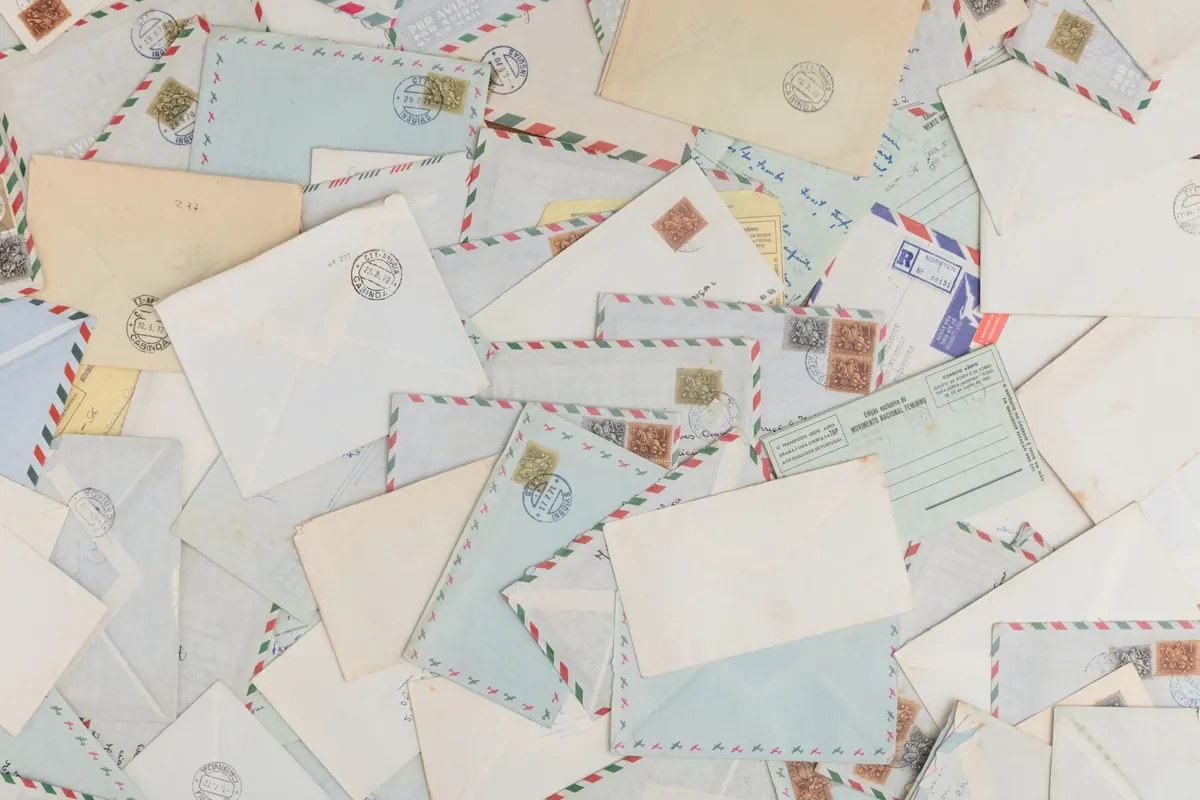
This is the season for long interviews. Sit at a kitchen table with a pot of something on the stove and let an hour pass. Ask the oldest residents about the town before the bypass, before the factory closed, before half the street emigrated. Ask families for the letters and photographs that came back from Argentina, Belgium, Toronto. Ask what the house looked like when there were eleven people in it.
- Carnevale: masks, the parade, the committee that runs it, the children's memories of last year's costume.
- Recipes that only appear in cold months — polenta, braises, chestnut flour, the soup nobody writes down.
- Emigrant correspondence: scan it while the owner is present, and ask who each name belongs to.
- Archive housekeeping: transcribing, indexing, labelling photographs. Unheroic, and the reason a project survives.
March to May: processions, first greens, open windows
On 19 March, San Giuseppe, some towns still build bread altars or light fires; in every town it is a date people know without checking. Then Easter and Pasquetta, the family lunch, the picnic that ends up being rained on. Spring also brings first communions and confirmations, ceremonies full of small, specific details — the dress, the godparents, the photographer, the grandmother who cried in the second row.
Outside, the first greens appear. Wild asparagus, fave, the first shoots of the kitchen garden. People start walking the edges of fields again, and anyone who forages has opinions worth recording. The band rehearses outdoors; the bells sound different with the windows open.
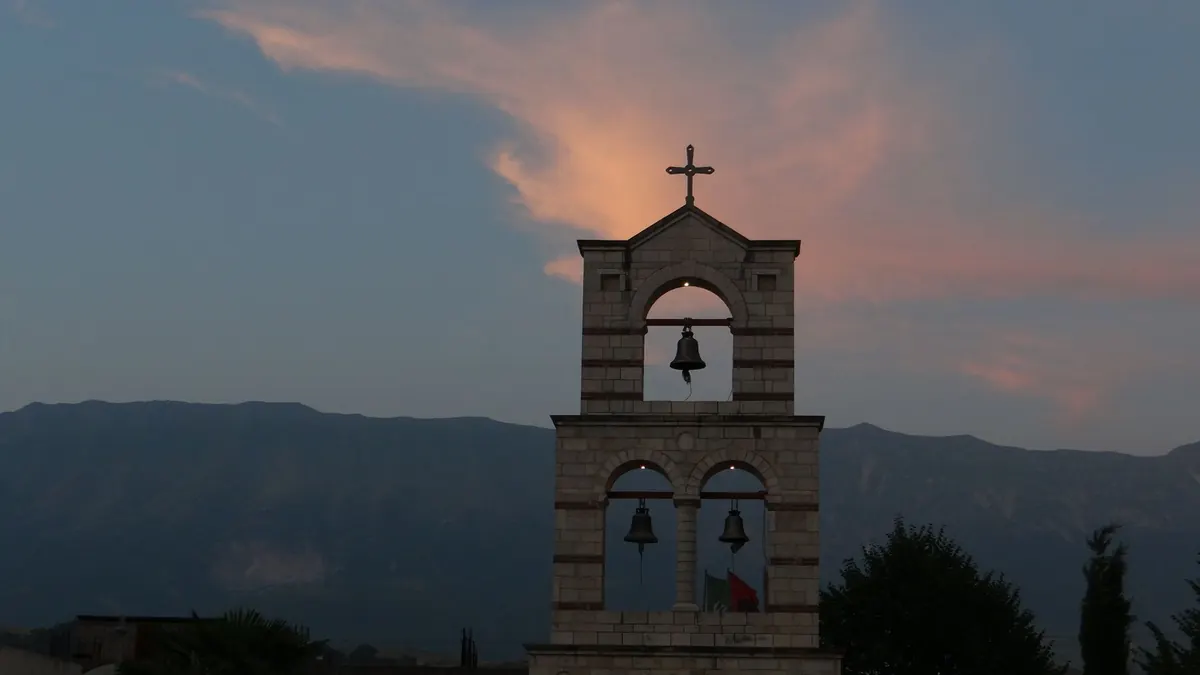
Spring is the moment to record sound, not only words. Three minutes of church bells, a market at eight in the morning, the band running the same passage four times. A written piece carries a voice; an audio piece carries a place.
June to August: the town fills up
Summer is loud and crowded and short. The patron saint's feast brings a committee that plans for months, women who cook for three days, a procession, fireworks at eleven at night and nobody in bed before one. Ferragosto on 15 August empties the streets at two in the afternoon and refills the piazza at nine. Wheat and hay get cut; tomatoes arrive in crates and get turned into passata in courtyards, with boiling pots, wooden boards and a stool for the aunt who supervises.
This is also when the diaspora returns — sons and daughters who left, grandchildren with hesitant Italian, school friends who meet in the same bar every July. Their stories are some of the most honest the town produces, because they are comparing two lives at once.
Ask early in the week. By Friday the people you most want to interview are already packing the car.
Turn pieces around quickly in summer. Short texts, photo essays, a paragraph of quoted speech under a photograph. Nobody has twenty minutes for a long read while the band is warming up.
September to November: grapes, olives, the long table
The vendemmia in September, the olives from late November into December, chestnuts and mushrooms in the woods in between. In a town of small plots and older hands, much of this happens quietly, with families rather than crowds. That intimacy is the point.
San Martino on 11 November brings new wine and the old saying about the summer he grants. Ognissanti on 1 November turns the town towards the cemetery, the chrysanthemums, the people who are gone. Handle that week gently: ask permission before recording, do not point a camera at a grave, and let someone tell their story only if they offered it. Some of the most moving pieces of the year come from that restraint, not from pressing harder.
The practical rule for the harvest months is simple. Ask while people work. Hands busy, tongue loose — a man fixing a press will talk for forty minutes where a formal interview keeps him quiet.
December: short days, crowded evenings
The Immacolata on 8 December starts the season: the tree, the presepe, the shopping list, the first panettone already open. Then the Christmas Eve fish dinner, midnight mass, the zampognari if you are lucky, the charity collection nobody talks about, New Year's Eve. It is a month with no free evenings and a lot of goodwill.
Do not attempt anything ambitious. Publish short pieces, and use the archive: a photo from a past Christmas, a recalled recipe, a short greeting from someone who has moved away. Also remember that for some families this is the first December without someone. A quiet offer to hear a story about that person can mean more than all the festive content put together.
Turning the year into a one-page plan
A calendar you can look at beats a document nobody opens. One sheet of paper is enough.
- List the twelve months down the left side.
- Mark the fixed dates: Epifania, San Giuseppe, Ferragosto, Ognissanti, Immacolata.
- Add the movable ones: Easter, Carnevale, the patron saint's feast, the sagra.
- Write in the working seasons — grapes, olives, hay, tomatoes, mushrooms.
- Colour the quiet weeks differently, and use them for interviews and editing.
- Put two story slots in every month: one tied to the season, one that could run any time.
- Name a person next to each slot. "Ask Anna about the passata" works much better than "do something on preserving".
- Keep one piece in reserve from the archive, so a cancelled interview never leaves a hole.
Begin with the week you are in
There is no need to wait for January or for a meeting to approve a plan. Look at what the town is doing this week, then next month. Ask one person, record it properly, write it down while it is fresh, and put a note in the calendar about what should follow. Twelve months from now you will have a collection that no one else could have made, because it follows the year the way the town actually lives it — the busy weeks, the processions, the harvests and the long, quiet afternoons in between.
Photo: arabervollblut / Pixabay