Ask a postman in a small town where the stories are and he will not point at the town square. He will point at a gate, at a doorstep, at the woman who has been waiting for a letter from Australia since March. The material is everywhere. The harder part is collecting it in a way you can still stand behind a year later, when the piece is published, the neighbour has read it, and the person who told you the story asks to see it again. This guide is about that second part.
Ask Before the Notebook Comes Out
There is a wide gap between a conversation at a door and a paragraph on a website, and most people do not see it coming. They are chatting with the postman they have known for six years. Then one day they are a character in something. Closing that gap is your job, not theirs.
So ask early, ask plainly, and ask in a way that leaves an easy exit. Something like: "I write short pieces about the route for a local site. I would like to put a few lines about this in one of them. Your name does not have to be in it. Is that alright?" That is four sentences and it does more work than an hour of careful editing later.
Watch for the polite yes. People agree to things out of habit, especially to someone standing at their door in a uniform with a parcel in his hand. If the answer comes fast and vague — "sure, sure, whatever you like" — treat it as a maybe and come back when there is no van idling at the kerb and no signature needed.
What Consent Actually Covers
Consent is not a single moment. It is a thread that runs from the first question to the published page, and it can fray. A person who agrees to a line about their dog has not agreed to a paragraph about their divorce, their illness, or the argument audible through the wall last Tuesday.
Be specific about the shape of the thing before you go away and write it:
- What will be written — a few sentences, a full piece, a caption.
- Where it will appear, and roughly when.
- How they will be identified — full name, first name, initials, "a retired schoolteacher".
- Whether anything else goes with it — a photograph of the gate, the house number, the dog.
Then add the sentence that costs nothing and buys everything: "If you change your mind before it goes out, tell me and I will take it out." And mean it. If the scope grows — a passing remark becomes the opening of a longer story — go back and ask again. It is a two-minute conversation that keeps the whole thing honest.
Ask once for the story, ask again when the story changes. Nobody has ever been annoyed by the second question. Plenty of people have been annoyed by its absence.
Anonymising Without Flattening the Story
In a village of eight hundred people, a changed surname protects almost nobody. The retired baker with the bad knee and the sister in Trieste is findable in a single guess. So anonymising is less about hiding names and more about removing combinations.
My working habit: if a detail plus a second detail plus the place would let a neighbour identify someone, cut one of the three. Keep the blue door — it is what makes the story vivid — and drop the house number and the exact job title. Or keep the job and move the story to "a street on the northern edge of the route".
Swap these freely: names, house numbers, street names, exact ages, the names of children and grandchildren, the names of pets, workplaces, dates of specific events. Keep these: the rhythm of how someone talks, the weather that day, the object they were holding, the reason the story stayed with you. Those are the parts that make a reader feel they were standing there.
If a story only works with details that would identify someone, it is probably not a story to publish. Let it stay a good thing that happened on a Tuesday.
Notes You Can Trust a Week Later
Memory rewrites. By Thursday you will be certain the terrier was brown, and you will have no way of checking. Write within ten minutes of leaving the gate, even if that means sitting in the van at the end of the road with the engine off.
Notes should be keywords, not sentences: "12, gate, terrier, 'he knows the sound of the van', laugh, hands full of rosemary". You are not drafting, you are pinning things down before they drift.
Two habits save a lot of trouble. First, mark the difference between what was said and what you understood. Anything inside quotation marks has to be exact; everything else is paraphrase and should be written as paraphrase. If you are not certain of the wording, do not put it in quotes. Second, if you want to record a voice note or a conversation, ask separately and clearly. Making notes and recording speech are different requests, and people who are happy with one are often not happy with the other.
Fact-Checking the Small Things Before They Become Big
Small errors are the ones readers punish, because small errors are the ones they can check. A wrong house number, a misspelled surname, the daughter confused with the granddaughter, thirty-one years of service that was actually twenty-nine.
Read it back to the person. Not the whole piece necessarily, but the parts about them: "I have written that your father did this round for twenty-nine years and that you took it over in the spring. Is that right?" People correct you happily before publication and less happily afterwards. Their correction is not an obstacle; it is free accuracy.
Check the boring things too: the name of the piazza, the spelling on the doorbell, the season, whether the snow was that year or the one before. And resist the pull to make a small story carry more weight than it can. If a parcel was simply late, say it was late. The story will survive being ordinary.
Editing So Nobody Becomes a Caricature
The easiest way to ruin a postal story is to write the people in it as charming local colour. The nonna at number 4 who shouts at the van is not a comic device. She is a person who has been shouted at before by people with a notebook.
Read your draft and ask who gets the joke. If the laugh lands on the person who told you the story and not with them, cut it. Keep dialect words if they carry warmth, but gloss them lightly for readers who will not know them. Let people be right about things occasionally, and let them be unremarkable. A story where the subject is treated with the same respect you would want on your own doorstep will read better than one where they are a punchline.
Where you can, show the person the finished piece before it goes out. Not for approval of your writing, but so nobody meets themselves as a stranger.
A Short Checklist Before You Publish
- Can I say out loud, without hedging, that this person agreed to appear in this form?
- Would a neighbour need two pieces of information to identify anyone here? If only one, remove something.
- Is every quotation in quotation marks something I wrote down at the time, not reconstructed?
- Have I read the relevant lines back to the person and fixed what they corrected?
- Have I removed the details that only exist to make the piece funnier at someone's expense?
- Do I know how to reach them if they change their mind?
None of this takes long. A question at the door, a page of keywords, a two-minute phone call before publishing. That is the whole method, and it is what lets you keep collecting stories for years without anyone on the route regretting the day they opened the gate.
A note on privacy: rules and expectations vary by country and by publisher, and small communities have their own unwritten ones. If a story feels borderline, ask your editor or someone with local knowledge before it goes out rather than after.
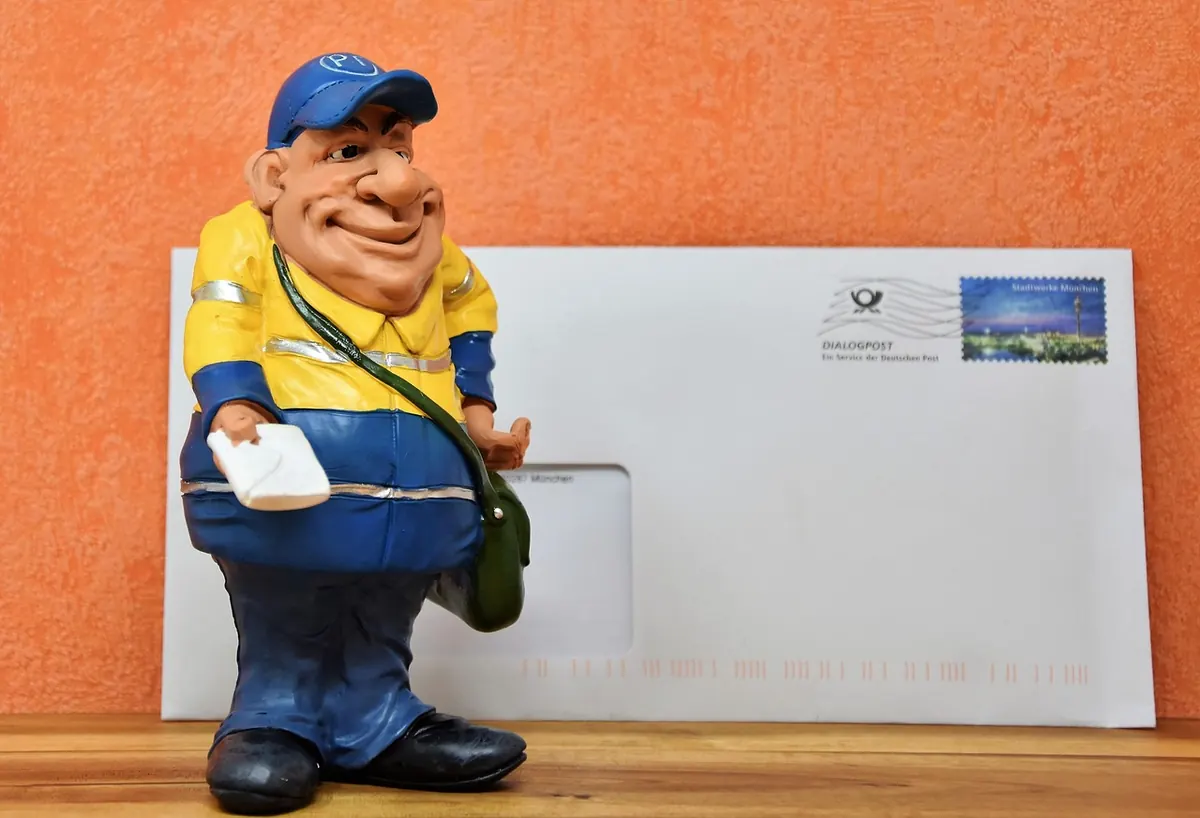
Photo: Ralphs_Fotos / Pixabay